Data notes (8)
Data notes
Derived: $431M ÷ 380 restaurants ≈ $1.13M a restaurant, $716M ÷ 380 ≈ $1.88M of sales a restaurant, $50M ÷ $716M ≈ 7.0% and $431M ÷ $50M ≈ 8.6; 380 is 159 + 221 and 159 ÷ 380 ≈ 42%.1 107 − 66 = 41 fewer restaurants between December 2000 and March 2003.2324 159 − 58 = 101 and 58 ÷ 159 ≈ 36%.18 “Ten years” is 1966 to 1976 and “sixteen years” is 2008 to 2024. October 22, 2008 is derived from the Associated Press’s “Wednesday” and the Dallas Observer’s “yesterday” of October 23.1315 “About two months” is late May to July 29, 2008. The fiscal year “ended last May 31” in a March 1989 article is read as May 31, 1988.1 “Nine years” is February 2015 to July 2024.
The homepage sparkline: The card’s series (1, 28, 109, 159, 107, 66, 58, 0, 1) is the same as the first chart: counts at the dates sources give them, unevenly spaced.168232435 The peak shown, 159 in March 1989, is the highest dated count we found and not necessarily the chain’s true peak.
Conflicts between sources: Peak size. The only dated count from the 1980s is 159 in March 1989.1 Later accounts give “more than 110,” “280” and “nearly 300,” and The Dallas Morning News says “several hundred”; we treat all four as unverified.123233343537 The 1971 offering. Nation’s Restaurant News says 28 restaurants; the Texas House resolution says more than 100.621 We use 28. The 2008 count. 58 in The Dallas Morning News and later trade press, “about 55” in the Nation’s Restaurant News Top 100 data, 50 in Entrepreneur.482932 Bennigan’s closings. About 150 company restaurants in July 2008 reports; “about 240” in 2015 reports.892729 Franchised survivors. 138 in the franchising companies’ statement, 134 by a franchisee’s estimate, “about 140” in The Dallas Morning News.58 Brinker’s departure. July 1983 in his own company’s proxy statement and 1983 in two obituaries; 1984 in a 2011 newspaper article.26725 Brinker’s death. June 9, 2009 in Nation’s Restaurant News and the Texas House resolution; the Times obituary says he died on the Monday, which was June 8.2621 Dover’s resignation. Late May 2008 in two reports, June in a third.458 Who bought the brands out of bankruptcy. The Associated Press reported Atalaya in October 2008; a 2015 article says Fortress “had purchased what was left of the company out of bankruptcy.”1328 Metromedia. The reference histories disagree on whether Kluge bought Ponderosa in 1988 or 1989 and do not give a date or price for S&A.151718 Burnsville. Announcements in 2023 gave 6,000 square feet; the opening reports give 5,000.3435
Secondary and retrospective: Everything about 1966 to 1988 comes from obituaries, a 1996 proxy statement, a legislative resolution, a 1983 newspaper article and reference histories written later; we read no document from the chain’s first two decades.267192021 The 53% profit share, the mid-1980s sales trend and the 1988 review are from a reference history of Pillsbury.19 Metromedia’s losses are from reference histories and refer to its Ponderosa and Bonanza company.1718 The Wall Street Journal’s June 2008 report is known to us only through other papers.48 The February 26, 1966 opening date is from a single local news site.12 The “$100 million in stock” price for the 1976 merger and counts of 111 or 113 restaurants at that date circulate online and are unverified; we use 109, from two obituaries.26
Unknown: Revenue, profit or debt of Steak and Ale alone in any year. The price and terms of the 1976 merger. Restaurant counts between 1976 and 1989 and between 1989 and 2000. Whether the March 1989 buyout closed as announced, and when and on what terms Metromedia took control. Why the 2003 sale to APEX was not completed. Who the lenders were besides GE Capital Solutions, and how much they were owed. What the Chapter 7 estate recovered and paid. How the trademarks passed from Atalaya to Fortress. What Legendary Restaurant Brands paid in 2015. Whether the Mexican and Texas restaurants announced since 2015 are still planned. Sales of the Burnsville restaurant.
How we read the sources: The three New York Times articles could not be opened on nytimes.com and were read in Internet Archive copies of those pages.123 The 2008 Dallas Morning News article and the Star Tribune article were also read in Internet Archive copies; the Star Tribune’s own page refused our requests.836 The company’s web pages and releases exist only as Internet Archive captures.222324 The SEC proxy statement was first read through a text-extraction tool and its biography of Brinker (president of S&A from February 1966 to May 1977, then chairman and chief executive to July 1983; from June 1982 also chairman of Burger King and president of the Pillsbury restaurant group) was then checked against the filing on EDGAR.7 Private Equity International showed only its headline, summary and date.14 NPR’s page is a summary of a radio report.10 All other sources loaded directly. Two FSR magazine articles were read as republished on the owners’ site, and one of those also on FSR’s.343537 Quotations were copied from the pages; typographic quotation marks and apostrophes have been normalised.
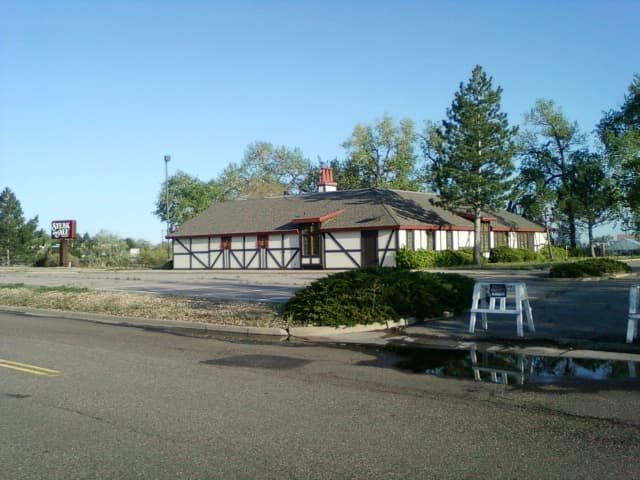
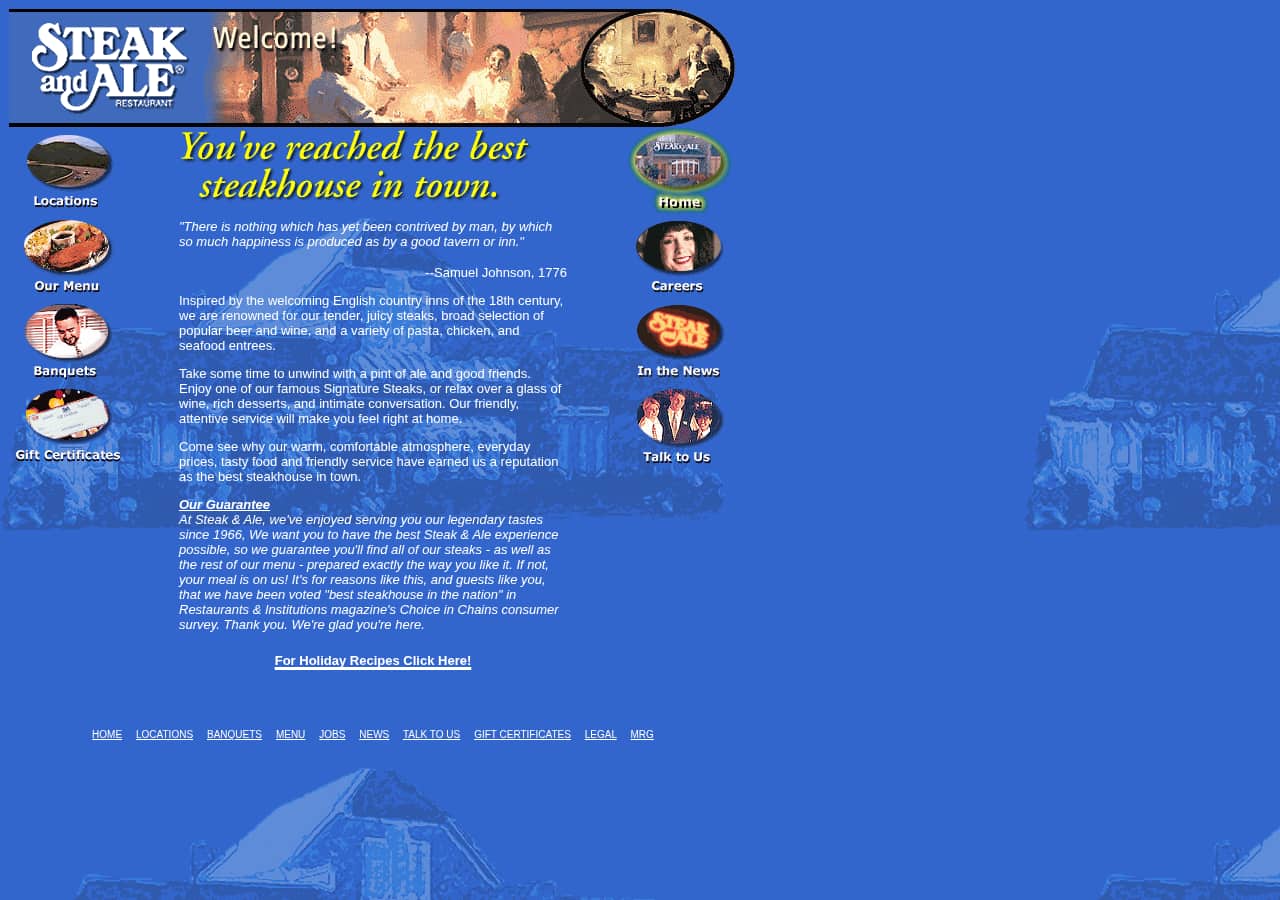
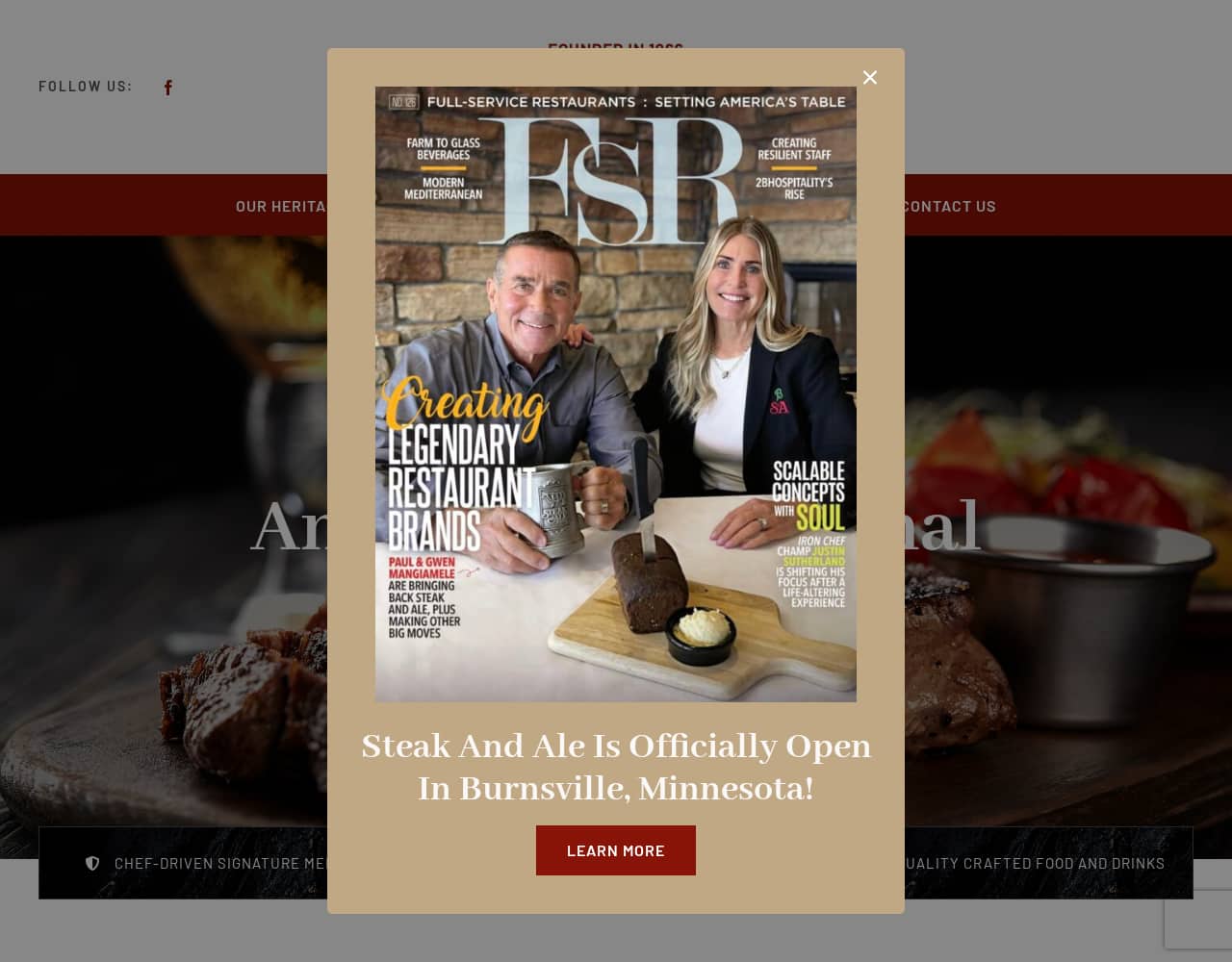
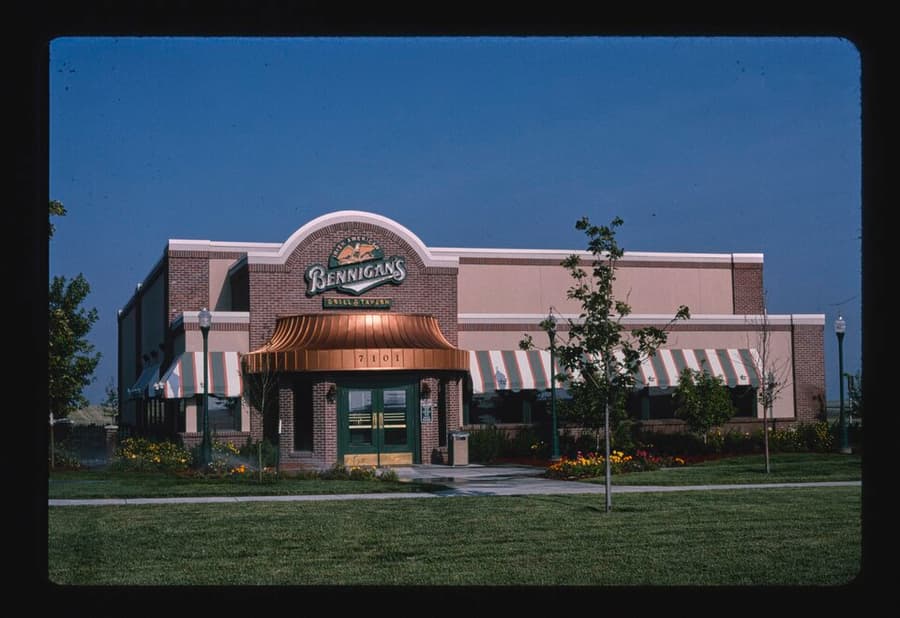
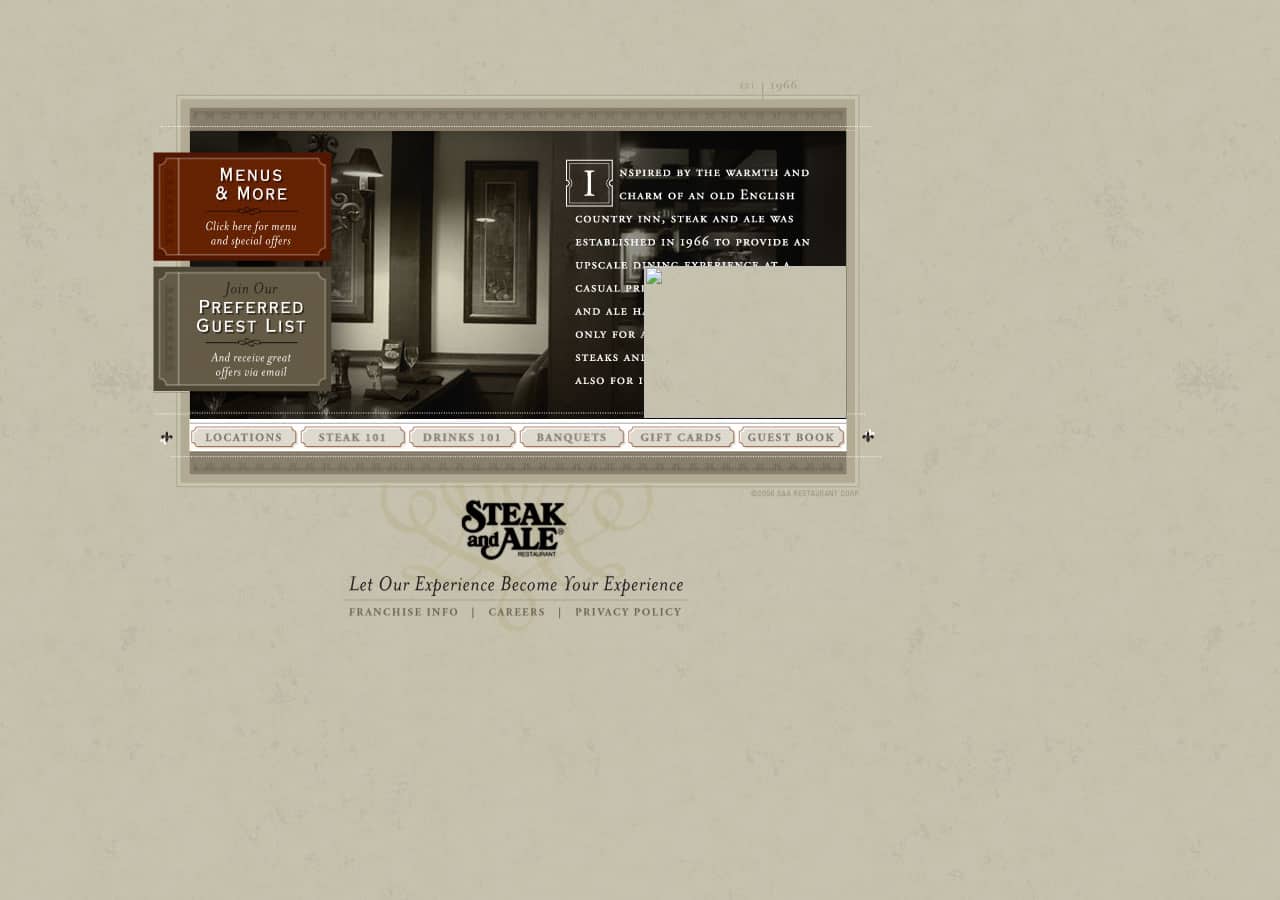
Images: The two photographs are from Wikimedia Commons under the licences stated.38 The three website images are our screenshots of Internet Archive captures of the brand’s own site and are shown for commentary; the 2025 capture includes a magazine cover displayed by the site itself.22 We did not use the chain’s logo as a separate asset, and the drawings avoid it. Embedded commercials are shown as they aired. The accent red was matched by eye to the sign in the 2011 photograph.
General knowledge: That Grand Metropolitan was a British company whose brands included spirits, and that Pillsbury’s mascot is the Doughboy (both also stated in the sources above).119 That July 29, 2008 was a Tuesday, as the reports of that day say.48